
I started working out at around twelve years old, which means I've been doing this long enough to have made most of the available mistakes.
If I could go back and hand young me a note, it would have three things on it. They're the same three things I find myself saying to adults who are starting fresh or coming back after a long gap, which tells you something about how universal they are.
None of them are about programming. All three are about the stuff around the programming, which is where almost everything is actually won or lost.
This is the one I still have to remind myself of.
When I started, I was all in. Every sport, every day, every extra thing I could add. In high school I played volleyball, ran track, and lifted. On top of practices I'd go to the gym regularly, often running there and back from my house. Then I'd squeeze in extra movements at home and stretch every night.
It sounds like dedication and in fairness some of it was. But here's what actually happened: I got better at a lot of skills and I did not get meaningfully stronger, which was the thing I wanted most.
I was overtraining. More specifically, I was spreading my effort across so many things that nothing got enough of it, and I never gave my body a stretch of time to actually adapt. Adaptation doesn't happen during the work. It happens in the recovery afterward, and I wasn't giving myself any.
The version of this I see in adults looks different but comes from the same place. Someone decides to get serious, and gets serious about everything simultaneously. Five days a week of training, a new diet, a step goal, a sleep routine, all beginning Monday. Two weeks later they're exhausted and they've concluded they don't have the discipline.
They have plenty of discipline. They built something that required them to be at their best every single day, and nobody is at their best every day.
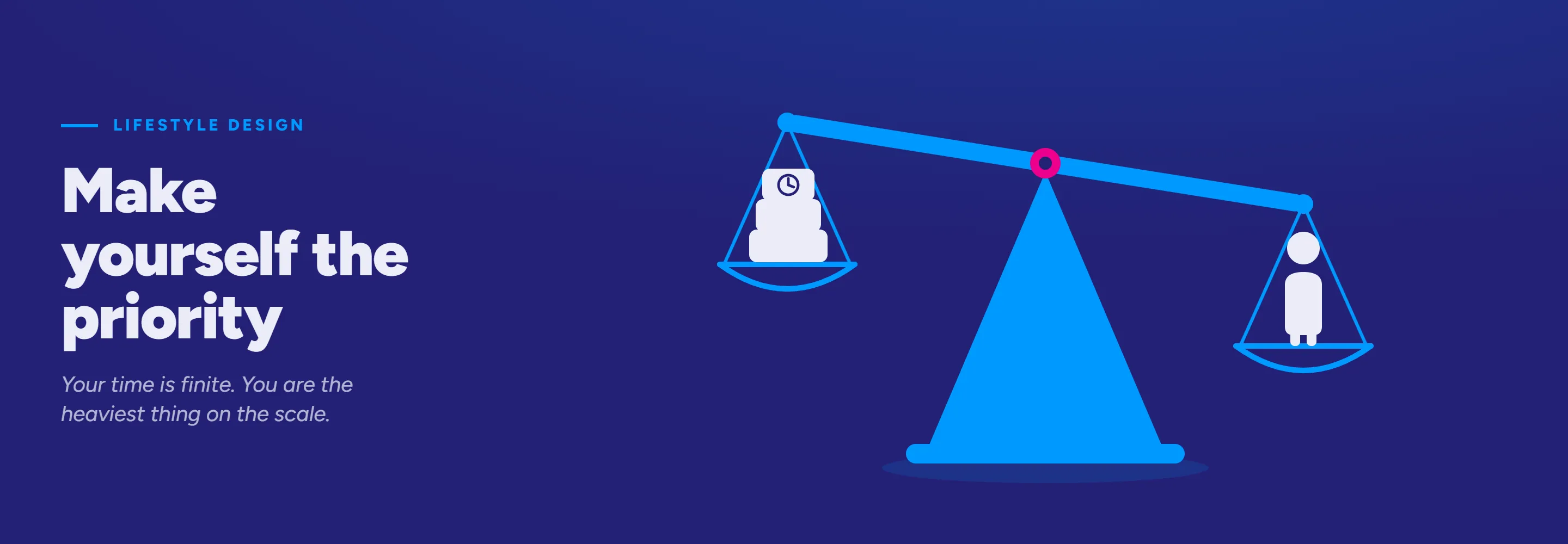
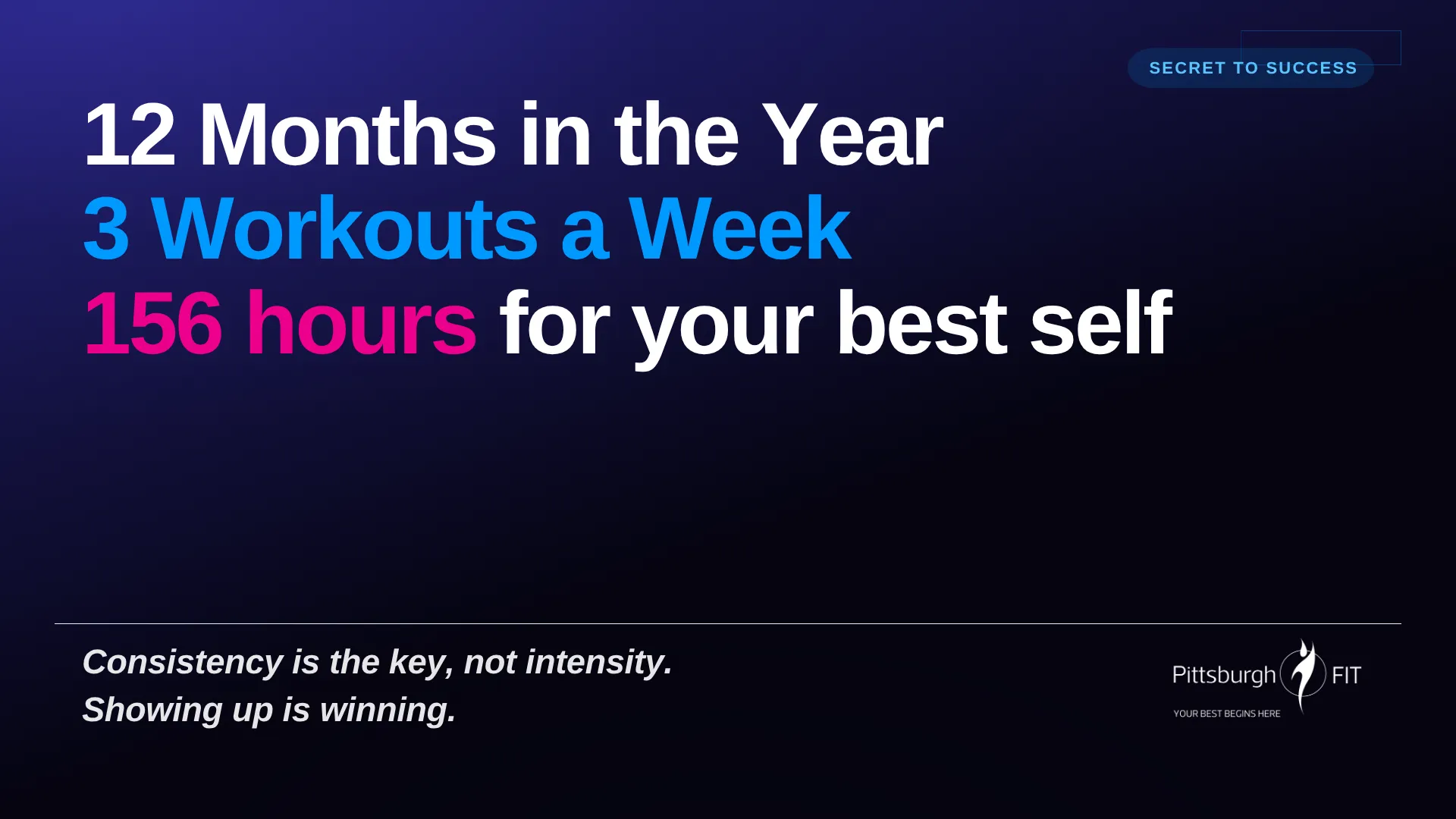
What actually works is narrower and more boring. Pick fewer things. Do them consistently. Give your body enough recovery that it can respond to what you're asking. Three well-recovered sessions beat five that you're dragging yourself through, and it isn't close.
They say you're your own harshest critic. For me that was completely true and it cost me years.
I wanted to lift heavy, move fast, and be the strongest person in the room. But I didn't trust myself. So I'd practice the same things at the same weights over and over, never pushing to the next level, because I'd already decided I wasn't strong enough or fast enough to handle it. I was protecting myself from a failure that existed entirely in my head.
What broke it was coaches who saw what I couldn't. They'd add a little weight to the bar without telling me. They'd tell me I wasn't actually dying mid-workout, even though I was fairly sure I was. And afterward I'd look at what I'd just done and not entirely believe it.
That gap, between what I thought I could do and what I could actually do, was enormous. It's enormous for almost everyone, and most people never find out because they never test it.
The shift that mattered most was small and linguistic. I stopped saying "I can't" and started saying "I'll try."
That sounds like a slogan. It isn't. "I can't" ends the conversation and you never get any information. "I'll try" produces a result, and the result is almost always better than your estimate. Do that enough times and your estimate gets more accurate, which is really what confidence is. Not believing you can do anything. Having a realistic sense of your own capability, built from evidence instead of fear.
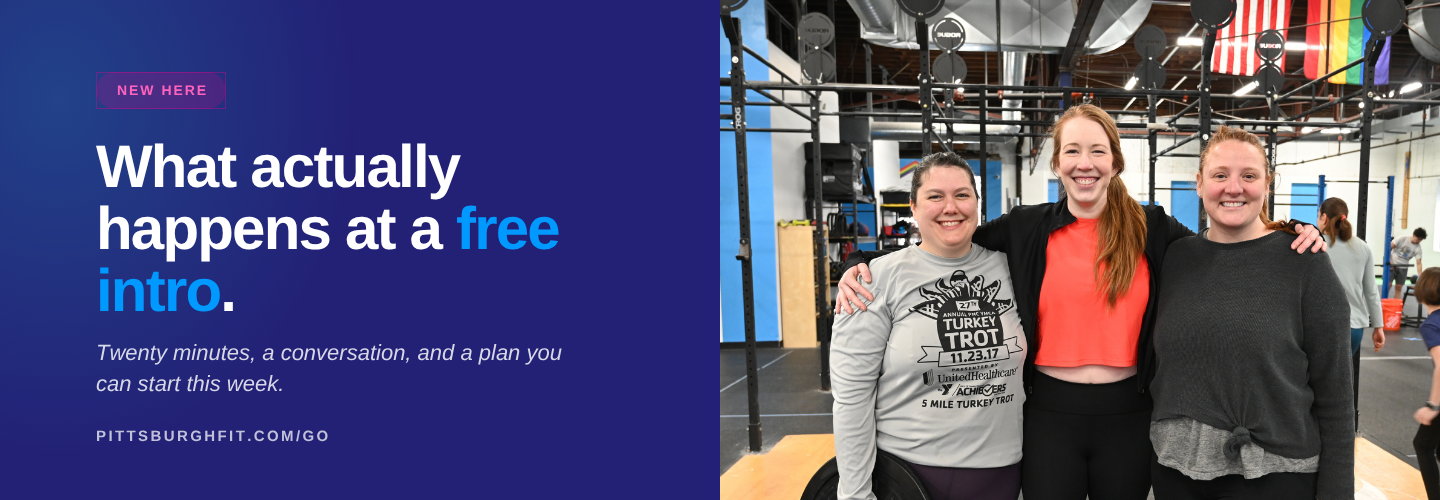
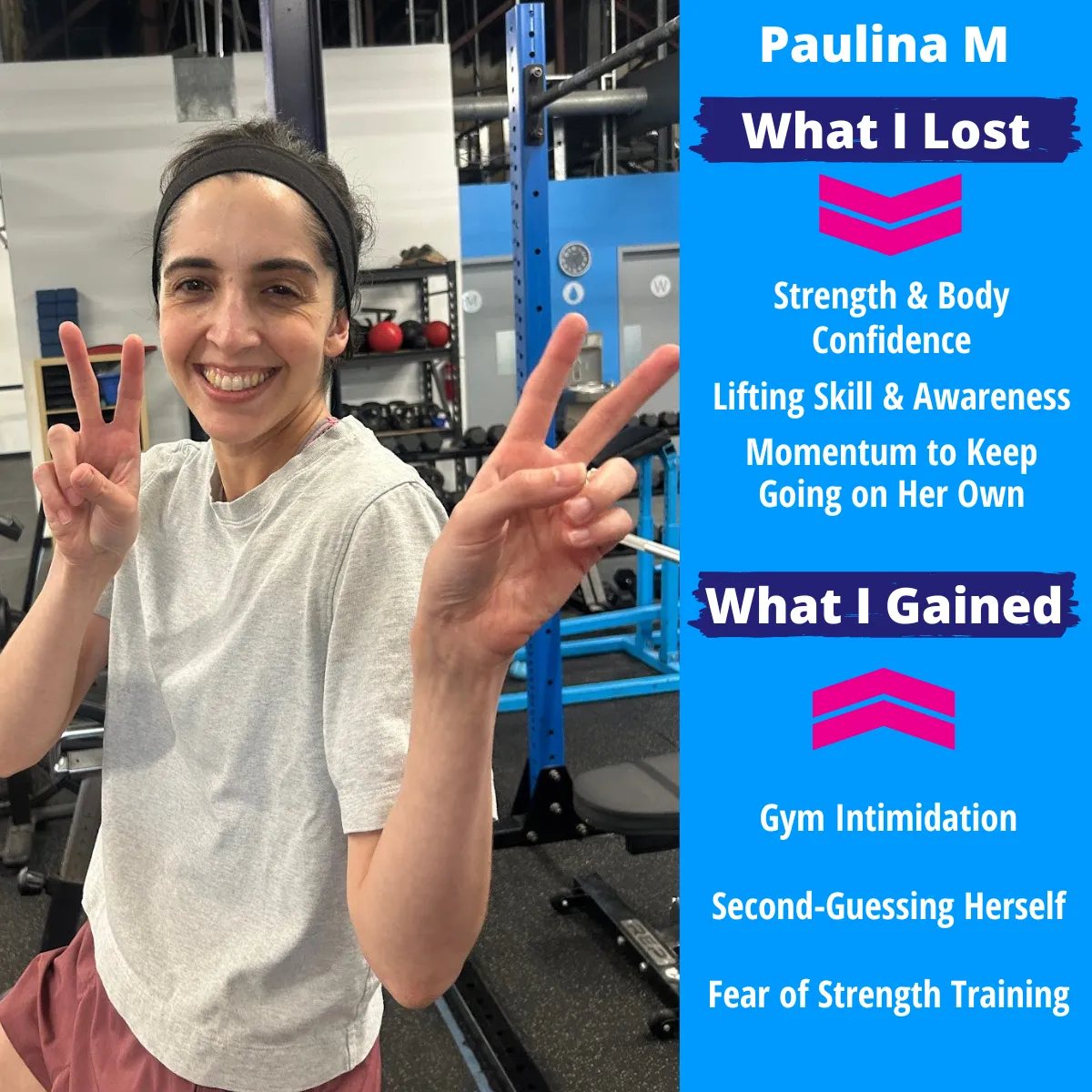
Walking into a gym for the first time is intimidating and I don't think we should pretend otherwise.
When I started I was nervous constantly. I didn't know how to use the equipment. I was scared of looking foolish, of being last in a workout, of asking a coach the same question for the tenth time and having them think less of me. I was the youngest person in most rooms I was in and I felt it.
Here's what I eventually understood: every single person in that building had a first day. Every one of them stood somewhere not knowing what a piece of equipment was for. The people who looked most at home had simply been having first days longer ago.
Nobody walks in knowing everything. And the fear that people are watching and judging you is, in my experience, almost entirely unfounded. They're thinking about their own set.
What made the difference for me was the room I happened to land in. People didn't judge, they helped. Someone would show me something without making it a whole event. And I grew in confidence at roughly the same rate I grew in strength, which I don't think is a coincidence.
If you're choosing where to start, this is worth weighting more heavily than the equipment list. The gym with the better vibe and slightly older dumbbells will serve you better than the pristine one where nobody talks to you, because the one you feel comfortable in is the one you'll keep going back to.
If you're thinking about starting, or restarting after time away, here's the compressed version.
You don't have to be perfect and you shouldn't try, because perfect is a plan that breaks the first week something goes wrong. You don't need to know everything, and waiting until you do is just a socially acceptable way of not starting. You do need to be patient with yourself in a way that most high-achieving people find genuinely difficult, because this is one of the few areas of life where trying harder is frequently the wrong answer.
Pick a small amount of work you can actually sustain. Test yourself more often than feels comfortable, because your estimate of your own capability is probably wrong in the direction of too low. And surround yourself with people who are decent about it.
That's most of it. The programming details matter, but they matter far less than these three things, and I spent years learning that the slow way so you don't have to.
Written by Coach Grace Dickinson. [CONFIRM: is Grace still on staff, and should this keep her byline or move to Pittsburgh FIT?]




.png)



.png)


.png)






.webp)
.webp)
.webp)
.webp)
.webp)





.webp)

.webp)








.webp)


.webp)
.webp)



.webp)
.webp)
.webp)
.webp)
.webp)
.webp)
.webp)
.webp)
.webp)
.webp)
.webp)


.webp)
.webp)
.webp)
.webp)
.webp)
.webp)
.webp)
.webp)
.webp)
.webp)
.webp)
.webp)
.webp)
%2520(1).webp)
.webp)
.webp)
.webp)
.webp)
.webp)
.webp)
.webp)
.webp)
.webp)


.webp)
.webp)
.webp)
.webp)
.webp)
.webp)