
What Is HYROX? A Plain-English Guide for Total Beginners (Part 1 of this series)

What Is HYROX? A Plain-English Guide for Total Beginners (Part 1 of this series)
What Is HYROX? A Plain-English Guide for Total Beginners (Part 1 of this series)
What Is HYROX? A Plain-English Guide for Total Beginners (Part 1 of this series)
Most people who want to try HYROX are not sitting around with fifteen spare hours a week. They have a job with meetings that run long, a family, a commute, and about four realistic training windows if everything goes right. So the honest question is not "what would an elite athlete do," it is "what does this actually cost me?"
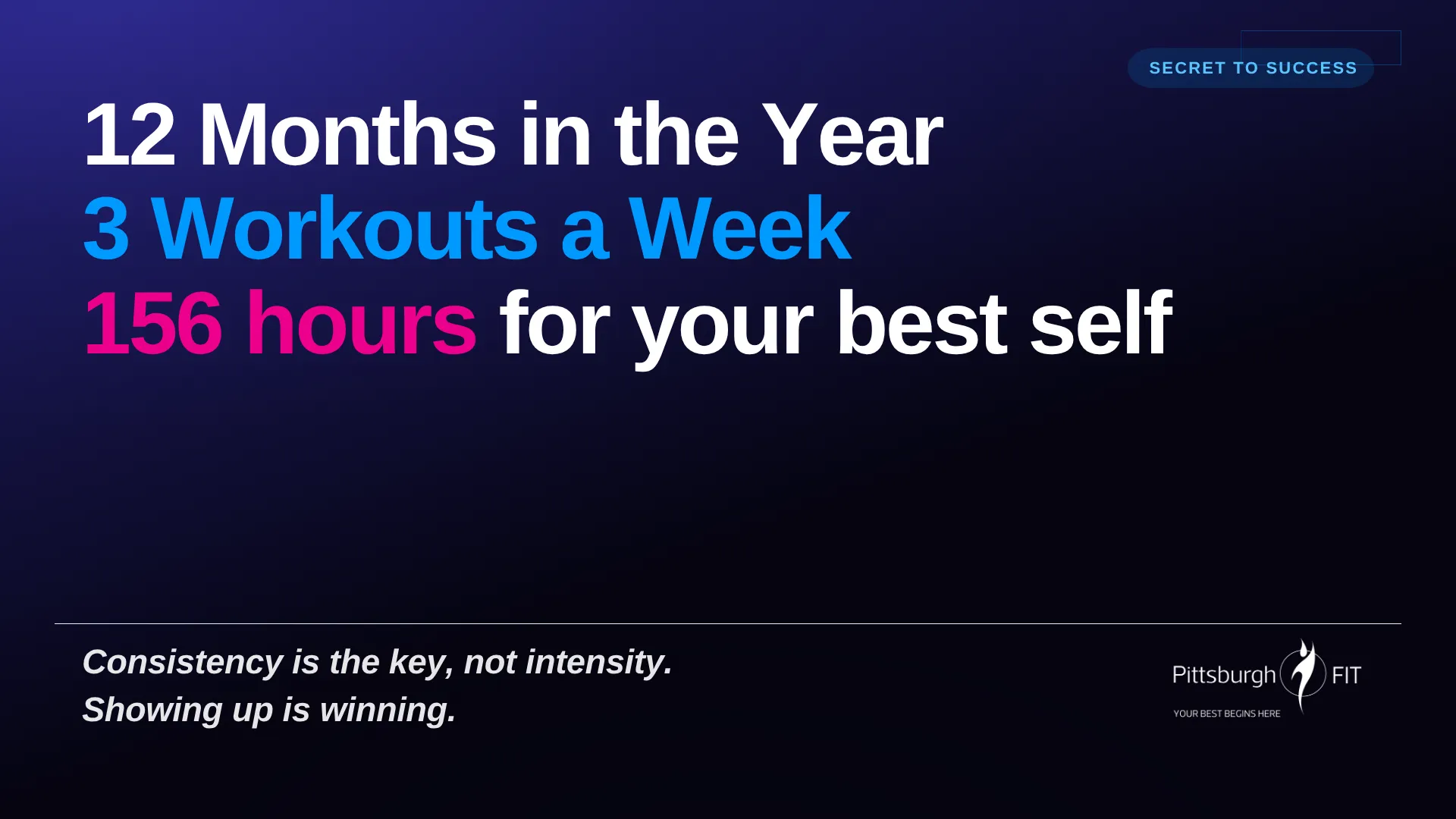
Training for HYROX takes two to three coached strength and conditioning sessions per week plus one to two longer, easy-paced runs, over a ten to sixteen week block. That is roughly four to five hours a week. You do not need a HYROX-specific gym membership, a sled at home, or a program that swallows your calendar.
Here is what that looks like in practice, and where people usually go wrong.
Sources across the HYROX world converge on ten to sixteen weeks, and where you land inside that range depends entirely on where you are starting.
If you already squat, lunge and row comfortably, and you can jog for thirty minutes without it being an event, ten weeks is plenty. If most of this is new to you, or you have not trained consistently in a couple of years, take the full sixteen. You will show up healthier and you will enjoy the day more.
You will notice we are not offering a six-week miracle plan. That is deliberate. We would rather you arrive strong and healthy than fast and hurt, and the compressed timeline is where most first-timers pick up the nagging injury that ends the whole project in week seven.
The structure we recommend at Pittsburgh FIT is deliberately simple, because complicated plans are the ones people abandon in week three.
Two to three coached group fitness classes per week. Our Tuesday, Thursday and weekend classes were built around exactly these patterns: strength work, conditioning, and the specific movements a HYROX race demands, done on real sleds and real ergs with a coach watching. This is where the sled push, the lunges, the wall balls and the grip work live.
One to two longer, low-intensity runs per week. Conversational pace, meaning you could hold a conversation the whole time without gasping. This builds the aerobic base that carries you through eight rounds of running, and it is the piece most gym-strong people skip and then regret.
That is it. If you are brand new to structured training, start at the lower end. Two classes and one longer run per week is a completely legitimate starting point, and it beats overloading yourself in week one and quitting in week four. If you have trained with us a while, or you have raced before, three classes and two runs will sharpen you further.
No, but you do have to run. Eight kilometers of running is over half the race by time for most people, and it is broken into eight one-kilometer pieces with a station between each, which is meaningfully different from running eight kilometers straight.
The good news is that HYROX running does not reward speed work nearly as much as it rewards the ability to keep moving at a steady, unglamorous pace while tired. That is trainable in a few months even if you currently describe yourself as not a runner.
The mistake we see is people treating every run as a test. Your easy runs should feel easy. If you finish every run exhausted, you are not building a base, you are just accumulating fatigue.
We will be honest with you, because that is how we do business. We have built three twelve-week DIY HYROX programs, one for beginners, one for intermediate athletes and one for advanced athletes, and they are genuinely good programs. But we track our clients' results, and the pattern is consistent: athletes who train in our coached group classes outperform the ones who follow a DIY program alone.
There are three reasons for this, and none of them are about willpower.
Accountability changes behavior. A 2025 randomized controlled trial published in the Journal of Strength and Conditioning Research compared in-person supervised training, online coaching and self-guided training over ten weeks. The supervised group stuck with the program 88 percent of the time. The self-guided group managed barely half that. A program you never do is not a program.
You work harder next to other people. Psychologists call this the Köhler Effect. People training alongside a group consistently push harder and persist longer than the same people training alone, and the effect is strongest on demanding, fatiguing tasks. Which is a fairly precise description of a HYROX race.
Real-time coaching keeps you safe and efficient. The American Council on Exercise reviewed the evidence and found supervised exercise consistently outperforms unsupervised exercise for improving fitness, specifically because of the coaching, correction and accountability a trainer provides. When somebody is watching your sandbag lunge or your wall ball depth every rep, small technique errors get fixed in week two instead of becoming an injury in week ten.
None of this means the DIY programs are bad. They are a legitimate option if a class schedule genuinely does not fit your life. But if you want the best odds of standing at that start line healthy and actually ready, coached training is the honest answer.
You will miss a week. Somebody will get sick, or work will explode, or you will travel. This is not a hypothetical.
The plan that survives is the one with slack built in, which is exactly why we recommend two to three sessions rather than five. Missing one session out of five feels like failure. Missing one out of three still leaves you two, which is a real week of training.
When you come back, resume where you left off. Do not try to make up the missed work by doubling up. That instinct is how a missed week becomes a strained hamstring.
More than most first-timers expect. Six of the eight stations are strength-endurance events, and the sled push, sled pull, farmers carry and sandbag lunges all reward raw strength directly.
Erin A., a pastor from the Sharpsburg area who trains with Coach Geremy, hit a 200-pound safety bar back squat, a 130-pound bench press and a 270-pound trap bar deadlift inside a single month of focused work. She did not come to us as a strength athlete. She came because she wanted hiking to feel easier and her motorcycle to feel lighter. The strength she built for those reasons is exactly the strength that makes a loaded sled feel manageable.
This is the part worth holding onto. The strength you build for a race does not evaporate when the race ends. It is the same strength that carries a kid, a suitcase or a bag of mulch up your own front steps, and it keeps paying out for decades. Pittsburgh FIT has been coaching in the East End for twelve years, and the members who are still here at year six are almost never the ones who came for one event. They are the ones who found out that the training itself was the thing they wanted.
Less, not more. Cramming in the final fortnight is the single most common preparation mistake we see.
Keep the movements, cut the volume, sleep more, and eat like somebody who has a job to do on race day. If you have worked with a coach on nutrition, this is where it pays off. Heather Benek, our Director of Nutrition, spends a lot of time helping people fuel enough to actually recover, which is usually the opposite of what people assume they should do before an event.
Then show up, go out slower than feels right on the SkiErg, and enjoy the fact that you are somebody who trained for a thing and then did it.
Next in this series: how to tell whether HYROX is the right goal for you right now, or whether something else deserves your next twelve weeks.
Want the full plan in one place? Our free HYROX Starter Guide includes the weekly structure, every station explained, and how to pick your timeline. Grab it at PittsburghFIT.com/Go.
How many weeks does it take to train for HYROX?Ten to sixteen weeks, depending on your starting point. If you already squat, lunge and jog comfortably, ten weeks is sufficient. If most of these movements are new or you have not trained consistently in years, take the full sixteen weeks to arrive prepared rather than injured.
How many days a week should you train for HYROX?Three to five days total: two to three coached strength and conditioning sessions plus one to two longer, easy-paced runs. That is roughly four to five hours weekly. Beginners should start at the lower end, since a sustainable plan beats an ambitious one you abandon by week four.
Do you need to be a runner to do HYROX?No. The race involves eight kilometers of running, but broken into eight separate one-kilometer segments with stations between them. HYROX running rewards steady, sustainable pacing far more than speed. Most non-runners can build sufficient aerobic capacity within a ten to sixteen week block.
Is coached training better than a DIY HYROX program?The evidence favors coaching. A 2025 Journal of Strength and Conditioning Research trial found supervised training produced 88 percent program adherence versus roughly half for self-guided training. Real-time technique correction also catches small errors before they become injuries later in a training block.
What should you do in the final two weeks before a HYROX race?Reduce volume while keeping the movements. Prioritize sleep and consistent fueling. Cramming extra training in the last fortnight is the most common preparation mistake and typically produces fatigue or injury rather than fitness, since adaptation from that work arrives after race day anyway.



.webp)
.webp)
.webp)
.webp)
.webp)





.webp)

.webp)








.webp)


.webp)
.webp)



.webp)
.webp)
.webp)
.webp)
.webp)
.webp)
.webp)
.webp)
.webp)
.webp)
.webp)


.webp)
.webp)
.webp)
.webp)
.webp)
.webp)
.webp)
.webp)
.webp)
.webp)
.webp)
.webp)
.webp)
%2520(1).webp)
.webp)
.webp)
.webp)
.webp)
.webp)
.webp)
.webp)
.webp)
.webp)


.webp)
.webp)
.webp)
.webp)
.webp)
.webp)

.webp)
.webp)
.webp)
.webp)
.webp)
.webp)
.webp)
.webp)
.webp)
.webp)
.webp)
.webp)
.webp)
.webp)
.webp)
.webp)