
How Much Protein Do Women Actually Need During Perimenopause?
If you have heard "eat more protein" a hundred times but never a real number, this is for you. Protein is the nutrient that protects your muscle, steadies your energy, and keeps you full, and in perimenopause it matters more than it ever has.
Most active women in perimenopause do well aiming for about 0.7 to 1 gram of protein per pound of goal body weight each day, often 100 to 140 grams total. The bigger win is spreading it across meals and starting breakfast with at least 30 grams, instead of saving it all for dinner.
How much protein do women need during perimenopause?
Most active women in perimenopause do well aiming for roughly 0.7 to 1 gram of protein per pound of goal body weight per day. For many women that lands somewhere between 100 and 140 grams daily. The single biggest upgrade is spreading it across meals and starting breakfast with at least 30 grams, instead of backloading everything at dinner.
That target is higher than the old government minimums, and on purpose. Those minimums were set to prevent deficiency, not to preserve muscle in a woman whose estrogen is declining. Coach Heather, our Director of Nutrition, sees the gap constantly in sessions at our East End gym in Wilkinsburg. Most women walk in eating half the protein they need and feeling puzzled about why they are losing strength and gaining softness.
Why does protein matter more during perimenopause?
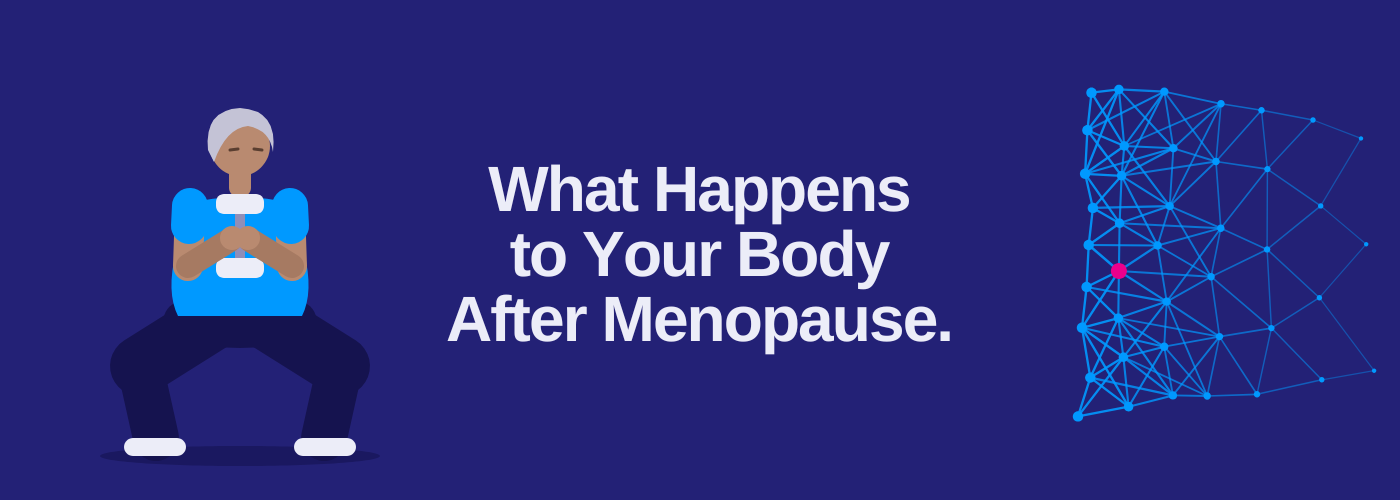
Protein matters more now because falling estrogen accelerates muscle loss, and muscle is the tissue that keeps your metabolism up and your body strong. Eating enough protein, paired with lifting, is what tells your body to hold onto that muscle instead of letting it slip away.
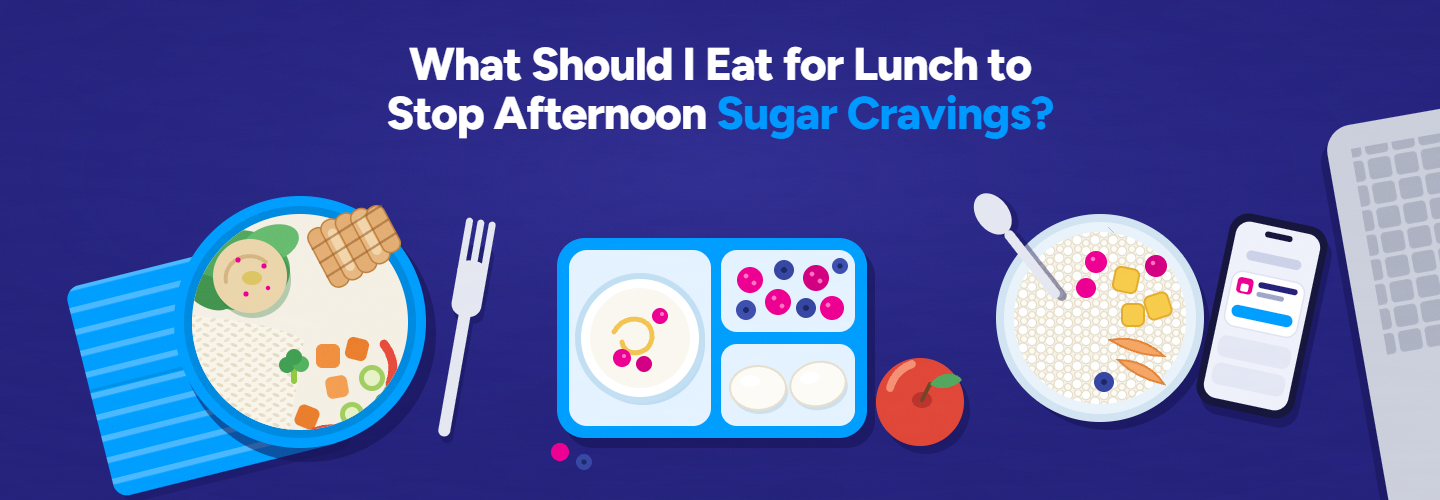
Protein does more than protect muscle. It is the most filling of the three macronutrients, so it blunts the carb cravings that ramp up in perimenopause. It has a higher thermic effect, meaning your body burns more energy just digesting it. And it helps steady blood sugar, which smooths out the afternoon energy crashes that make you reach for the vending machine. For a body that is suddenly less forgiving, protein is the most forgiving thing on your plate.
What does a high-protein day actually look like?
A realistic high-protein day is simpler than it sounds once breakfast carries its weight. The mistake most women make is a coffee-and-toast morning, a light lunch, and then trying to cram all their protein into dinner. Front-load it instead.
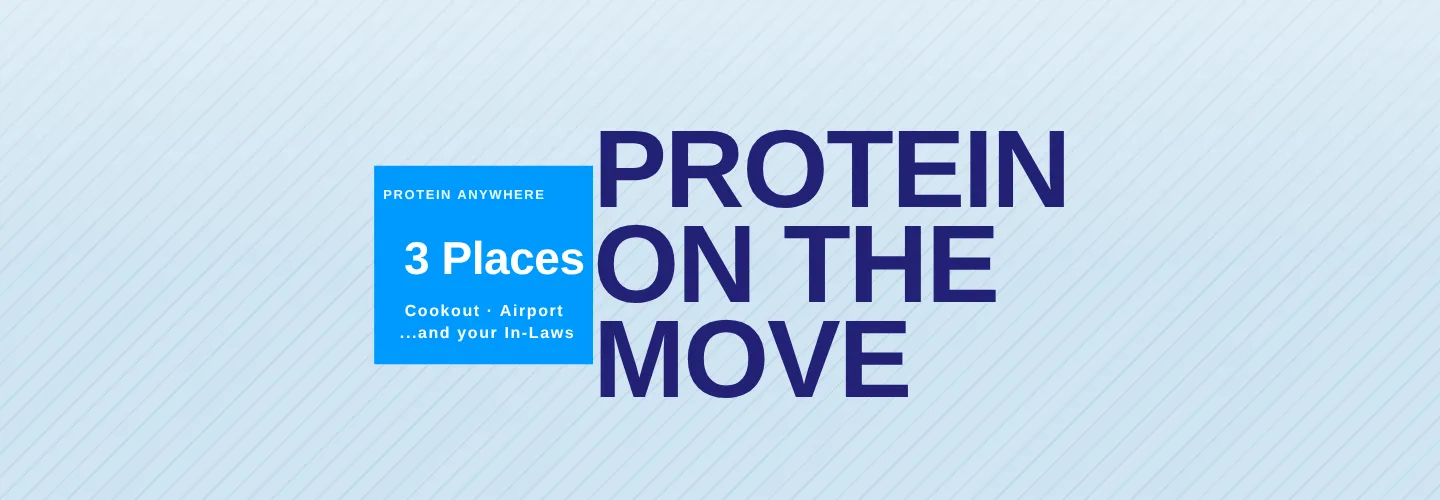
Breakfast might be three eggs with black beans, or Greek yogurt with a scoop of protein and berries, landing around 30 to 40 grams. Lunch could be a grilled chicken or salmon bowl with beans and greens for another 35 to 40. A snack of cottage cheese, edamame, or a protein shake adds 20 to 25. Dinner rounds it out with another palm-sized-or-larger portion of protein. That is a full day of 120-plus grams without a single sad "diet" meal. If you want field-tested tactics for hitting protein when life gets messy, our post on hitting your protein at a cookout, an airport, and your in-laws' kitchen has you covered.
Do I need protein powder to hit my target?
No, you do not need protein powder, but it can make the target much easier to reach. Whole foods like eggs, Greek yogurt, cottage cheese, chicken, fish, and legumes can absolutely get you there. Powder is simply a convenient tool for busy days, not a requirement.
If you do use it, treat it as one more ingredient rather than a meal replacement. A scoop stirred into yogurt or blended with fruit and milk is a fast 25 grams on a morning when cooking is not happening. The goal is total protein across the day, hit consistently. However you assemble it is up to you and your schedule.
How many grams of protein per day in perimenopause?
Most active women in perimenopause do well with roughly 0.7 to 1 gram of protein per pound of goal body weight, often 100 to 140 grams per day. Spreading it evenly across meals and starting with a protein-rich breakfast matters as much as the total number.
Is it too much protein to eat 100+ grams a day?
For healthy women, eating 100 or more grams of protein per day is safe and beneficial for muscle and metabolism in perimenopause. If you have kidney disease or another medical condition, check with your doctor first, but for most active women this range supports strength and body composition.
When should I eat protein for the best results?
Spread protein across the day and prioritize breakfast, aiming for at least 30 grams in your first meal. Front-loading protein reduces cravings, steadies energy, and supports muscle better than saving most of it for dinner, which is the pattern most women fall into.
Can I get enough protein as a vegetarian in perimenopause?
Yes. Vegetarians can meet perimenopause protein needs using eggs, dairy, Greek yogurt, tofu, tempeh, edamame, lentils, and beans, often with the help of a plant protein powder. It takes a little more planning, but the same daily target absolutely applies and is achievable.

.png)



.png)


.png)



.webp)
.webp)
.webp)
.webp)
.webp)





.webp)

.webp)









.webp)

.webp)
.webp)


.webp)
.webp)
.webp)
.webp)
.webp)
.webp)
.webp)
.webp)
.webp)
.webp)
.webp)

.webp)
.webp)
.webp)
.webp)
.webp)
.webp)
.webp)
.webp)
.webp)
.webp)
.webp)
.webp)
.webp)
%2520(1).webp)
.webp)
.webp)
.webp)
.webp)
.webp)
.webp)
.webp)
.webp)
.webp)


.webp)
.webp)
.webp)
.webp)
.webp)
.webp)

.webp)
.webp)
.webp)