Halloween candy isn't the problem. One night of fun-size candy bars never undid anyone's progress. What trips people up is the week after, when the leftover bag is on the counter, the office bowl keeps refilling itself, and you're running on coffee until 2 PM.
You crave candy more when you skip meals because under-fueling drops your blood sugar and turns up your hunger signals, which makes quick-energy foods like sweets feel far more rewarding. It's a fuel problem, not a willpower problem. Eating real meals with protein earlier in the day takes most of the pull out of afternoon candy cravings.
Coach Heather Benek, Director of Nutrition at Pittsburgh FIT in Pittsburgh's East End, hears the same sentence every fall: "I just have no willpower around candy." Her first question back is always the same. What did you eat today before 3 PM?
Because your body is asking for fast energy, and sugar is the fastest energy in the room. When you go hours without a real meal, your blood sugar drifts down and the hormones that drive hunger climb.
Your brain notices, too. Studies that scan people's brains while they look at pictures of food have found that the reward response to sweet, high-calorie foods is stronger when people are hungry. In plain language, candy looks better, tastes better, and is a lot harder to walk past when you're running on empty.
That's not a character flaw. It's your body doing exactly what it was built to do. The candy bowl isn't stronger than you. It just keeps showing up at the moment you're most depleted.
No. Enjoy it. A few pieces of candy on Halloween, or any other day, aren't going to make or break your health or your progress in the gym.
The real issue is what happens next. For a lot of people, one treat turns into "well, I already blew it," which turns into a weekend of grazing, which turns into skipping breakfast Monday to make up for it. And skipping breakfast is exactly what sets up the next round of cravings. Coach Heather calls this the "and then what?" problem. The candy is fine. The spiral that follows it is what costs you.
Because that's when the morning's choices catch up with you. A light breakfast, a lunch that got pushed back or skipped, and a long run of decisions at work all land at the same time, usually somewhere between 2 and 4 PM.
This is especially common with the busy professionals Heather works with across the East End, Regent Square, Point Breeze, and Wilkinsburg. Many of them do most of their eating at night without realizing it. We wrote about that pattern in The Protein Mistake Most Busy Professionals Make. When the bulk of your food lands after 6 PM, your afternoon has almost nothing holding it up, and the candy dish in the break room becomes your lunch.
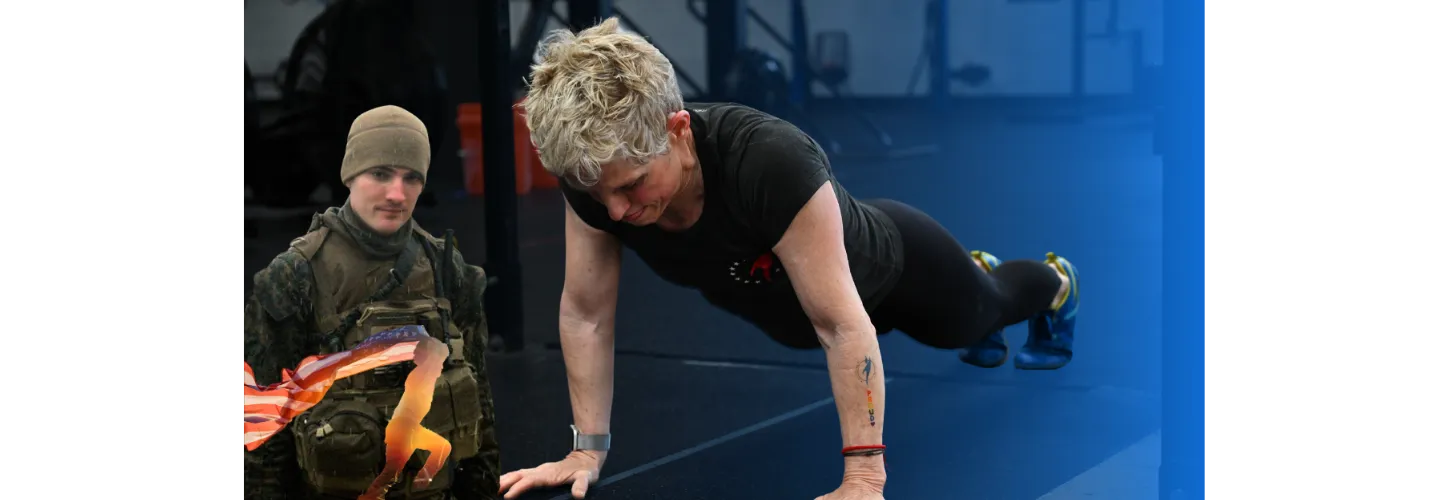
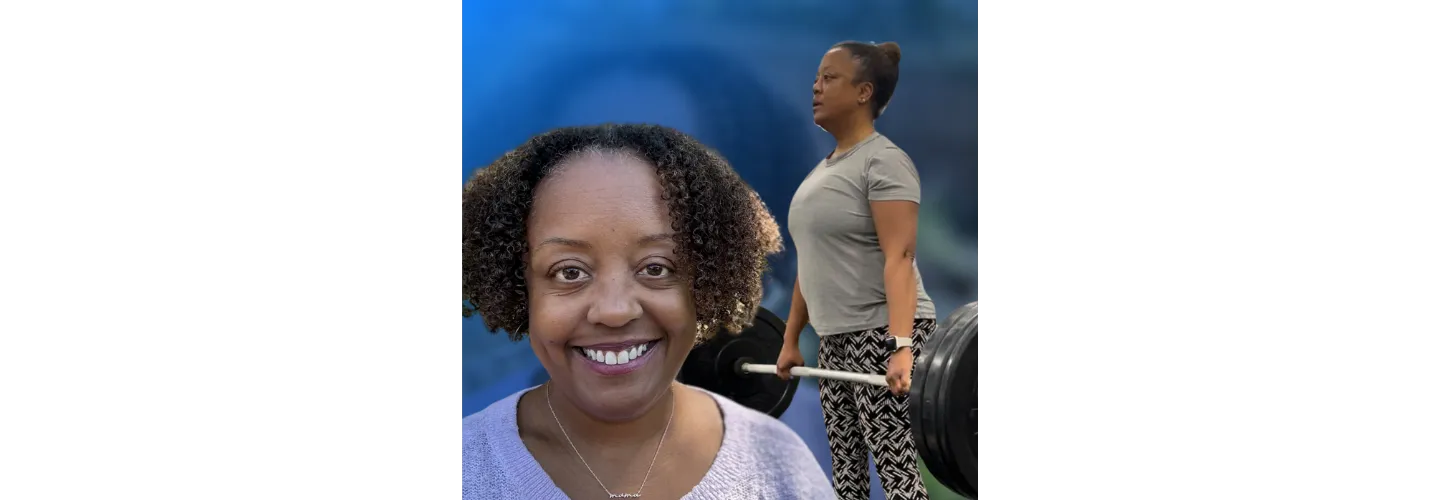
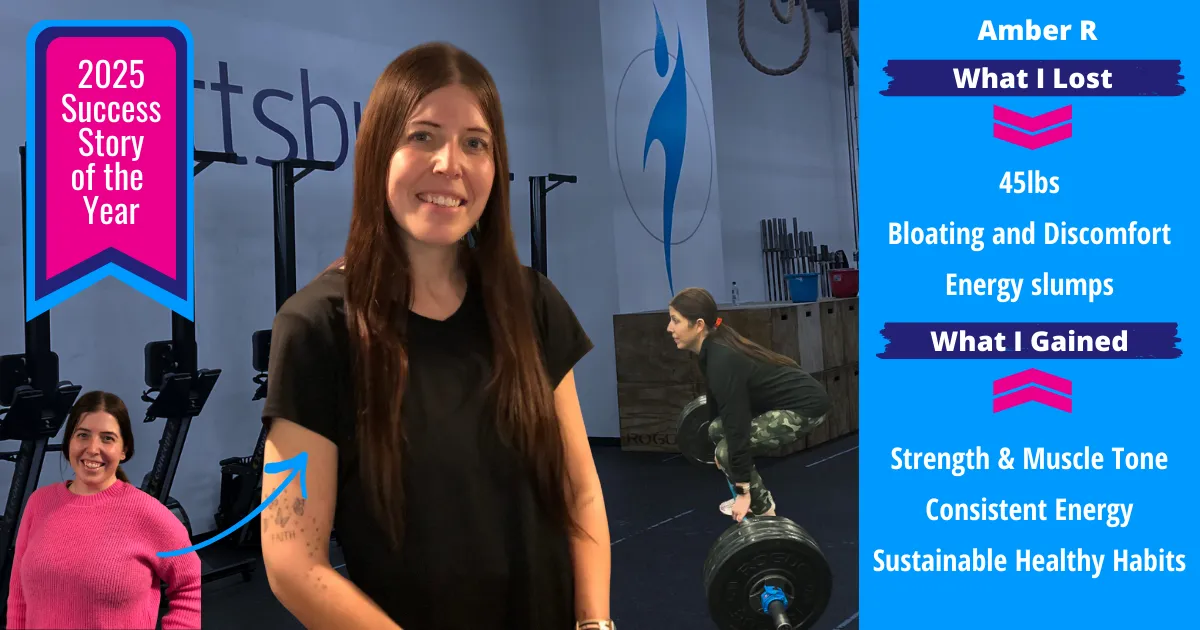
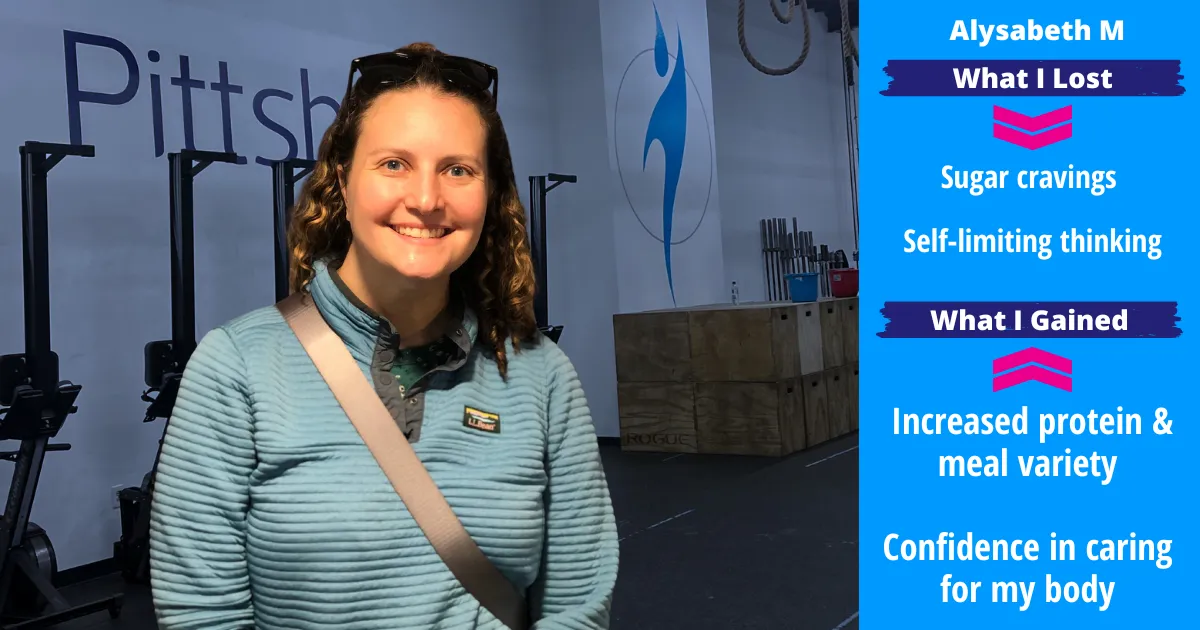
She started adding instead of banning, and her cravings dropped. Alysabeth is a teacher with a very full life, and when she began nutrition coaching with Coach Heather, she dealt with intense sugar cravings. She wanted to feel confident about what to eat and how to fuel her body.
They didn't start by cutting sugar. They focused on increasing protein, increasing water, increasing steps, and building meals that would actually keep her full. As she added more nutrients and those habits, her sugar cravings drastically reduced. Her hardest work was the mindset piece: teasing apart food rules that weren't serving her.
Her plan with Heather also included intentional, planned fasting. That's worth separating from skipping lunch because a meeting ran long. One is a deliberate strategy built with a coach. The other is the day running you, and it's the version that tends to end at the candy bowl.
"Alysabeth brings joy wherever she goes," Heather says. "She's adventurous, curious, and always eager to build deeper connections, with her community, her students, and herself. Her determination to grow is inspiring." You can read more in her full success story.
Feed the day first, have treats after meals on purpose, and decide ahead of time where the candy lives. Those three moves do more than any amount of willpower.
Feed the day first. Get real protein in at breakfast and lunch, not just coffee and good intentions. When your body isn't running on fumes by mid-afternoon, a piece of candy becomes a choice instead of an emergency.
Have the treat after a meal, on purpose. Eating something sweet right after a real meal, sitting down, and actually enjoying it is a very different experience from eating six pieces standing at the counter while you're starving. Most people find they want less, and they feel better afterward.
Decide where the candy lives. Keep the kinds you genuinely love. Send the rest out of the house, to work, to a neighbor, or to the trash, with zero guilt. At the office, ask for the bowl to move somewhere you don't walk past ten times a day. Out of sight really does help.
And one rule Heather is firm about: no making up for it tomorrow. Skipping meals the next day to "balance it out" just restarts the cycle.
It's one question Coach Heather gives her clients for the moment a craving hits: "Did I eat a real lunch?"
If the answer is no, candy isn't what you need. A meal is. Grab something with protein, even a small one, and see how you feel in twenty minutes. If the answer is yes, have the treat, enjoy it, and get on with your day. Either way, you've made a decision instead of losing a fight.
If you're not sure what a "real lunch" looks like on a packed workday, we put together a whole guide: What Should I Eat for Lunch to Stop Afternoon Sugar Cravings?
A good target for most adults is around 30 grams of protein at breakfast and again at lunch. That's roughly a cup of Greek yogurt with some nuts, or a palm-and-a-half of chicken, fish, tofu, or eggs.
You don't need to hit it perfectly. You just need the front half of your day to carry real weight so your afternoon isn't running on empty. For the full picture on daily targets, see How Much Protein Do You Actually Need?
And if you'd like a sweet treat in the freezer that actually fits your plan, Heather's Frozen Chocolate Peanut Butter Protein Yogurt Cups are a great after-dinner option.
Want easy ways to get protein into breakfast and lunch on your busiest days? Our free Protein PRO Tips guide lays it all out.
Get the free guide: PittsburghFIT.com/Go
Why do I crave sugar when I skip meals?
Skipping meals lets your blood sugar drift down and pushes hunger hormones up, so your body looks for the fastest energy available. Research shows hungry brains respond more strongly to sweet, high-calorie foods. The craving is a fuel signal, not a lack of willpower, and eating real meals earlier in the day usually quiets it.
Is it okay to eat Halloween candy if I'm trying to lose weight?
Yes. A few pieces of candy won't undo your progress. What does more damage is the cycle afterward: feeling like you blew it, grazing for days, then skipping meals to compensate. Enjoy the treat, ideally after a meal, and get right back to your normal eating the next day without making up for it.
How do I stop eating leftover Halloween candy?
Eat real meals with protein at breakfast and lunch so you aren't depleted by afternoon. Keep only the candy you genuinely love and send the rest out of the house. Have treats after meals, on purpose, rather than grazing. Most people find the leftover bag loses its pull once they're well fed.
Is fasting the same as skipping meals?
No. Intentional fasting is a planned strategy, ideally built with a coach, with a clear structure around when and how you eat. Skipping lunch because your day got away from you is unplanned under-fueling, and it often ends in a late-day sugar craving. The difference is whether you're steering your day or it's steering you.





























%2520(1).webp)
.webp)