The morning after Thanksgiving, a lot of people wake up with the same plan: skip breakfast, keep lunch tiny, maybe squeeze in an extra-long workout. It feels responsible. It usually backfires.
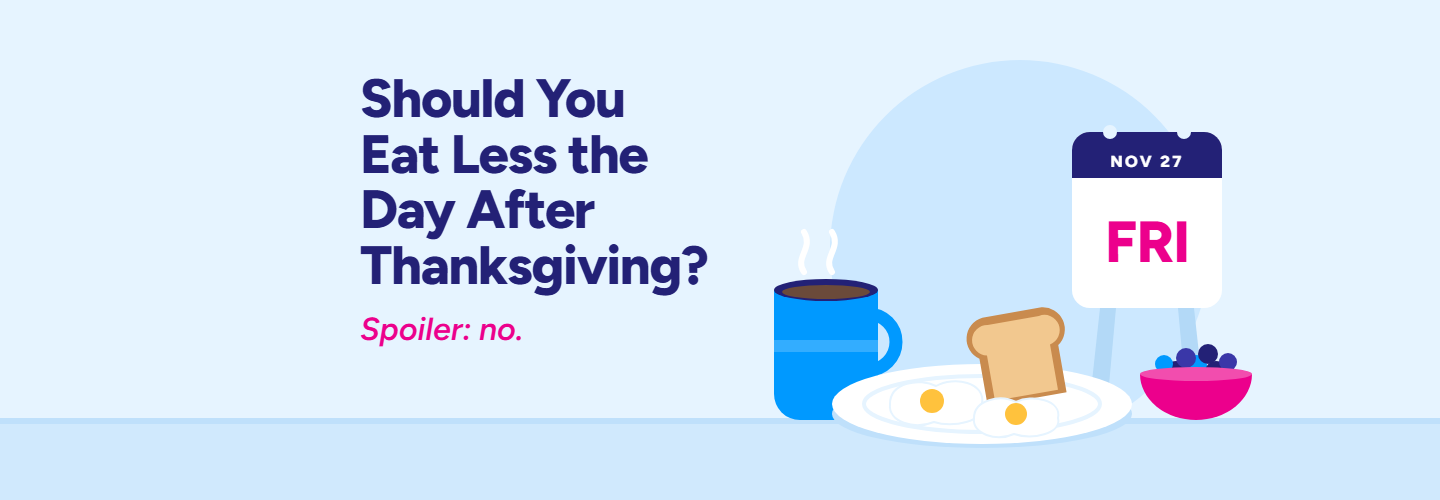
No, you should not eat less the day after Thanksgiving. Skipping meals or cutting back hard tends to leave you hungrier, lower on energy, and more likely to overeat later. The better move is to eat a normal, protein-forward breakfast, have your regular meals, and get back to your usual routine without trying to make up for anything.
Most of it comes from guilt, not hunger. Years of "earn it, then undo it" messaging have taught a lot of us that a big meal creates a debt we need to pay back. So the day after feels like the time to settle up.
The problem is that your body does not keep score that way. One generous dinner does not need to be cancelled out. And the attempt to cancel it out often sets up the next round of overeating, which is exactly what you were trying to avoid.
Skipping meals usually leads to stronger hunger and cravings later in the day. When you go long stretches without eating, it is common to feel tired and irritable, and to find yourself reaching for whatever is fastest by mid-afternoon. On the Friday after Thanksgiving, that is usually leftover pie.
We dug into this pattern in Why Do I Crave Candy More When I Skip Meals?, and it applies here too. The fix is not more willpower. It is eating regular meals with enough protein to keep you full.
It is also worth knowing that the scale the morning after a big meal is not telling you much. A heavier, saltier dinner means your body is holding more water and still digesting food. That number usually settles on its own within a few days of normal eating, with no special effort required.
Eat the way you would on any normal day, starting with a breakfast that includes protein. A protein-forward start keeps you satisfied through the morning and makes the rest of the day's choices feel easy instead of like a battle.
Here is what that can look like:
Breakfast: eggs with toast and fruit, Greek yogurt with berries, or our High-Protein, High-Fiber Breakfast Bowl for Steady Energy.
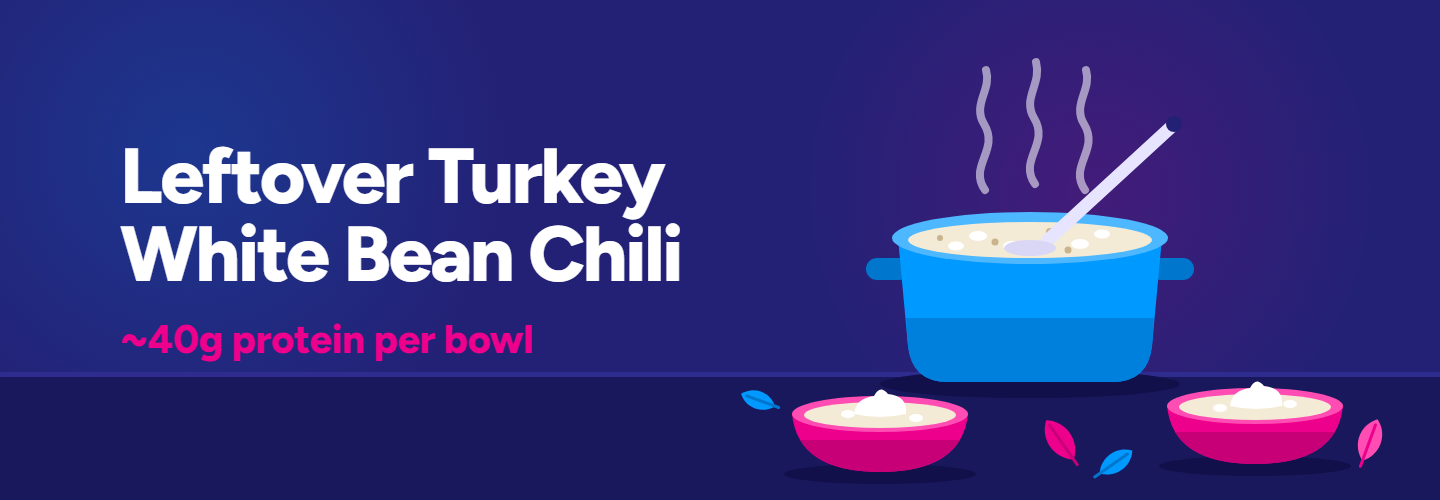
Lunch: put the leftovers to work. A turkey sandwich or salad is a great protein-first lunch, and our Leftover Turkey White Bean Chili gives you roughly 40 grams of protein per bowl.
Dinner: whatever you would normally eat on a Friday. Pizza night, takeout, more leftovers.
And yes, if you want another slice of pie, have it. Treating it like any other food takes away its power.
No. Exercise is not a payment plan for food. If you enjoy moving the day after Thanksgiving, go for it, because it can feel great after a long, sit-heavy holiday. But a punishment workout is not necessary, and it tends to make movement feel like a chore instead of something you look forward to.
At Pittsburgh FIT, we run 8:30 and 9:30 AM classes on the Friday after Thanksgiving for anyone who wants to start the day with some energy and familiar faces. Come because it feels good, not because you think you owe it.
Use the same approach every time: enjoy the event, then get back to your normal routine at the very next meal. No skipping, no making up for it. We call it the "next meal" mindset. It is how our coaching team, led by founder and lead coach Jodi Butler, approaches nutrition all year, and it works for parties, dinners, and travel days.
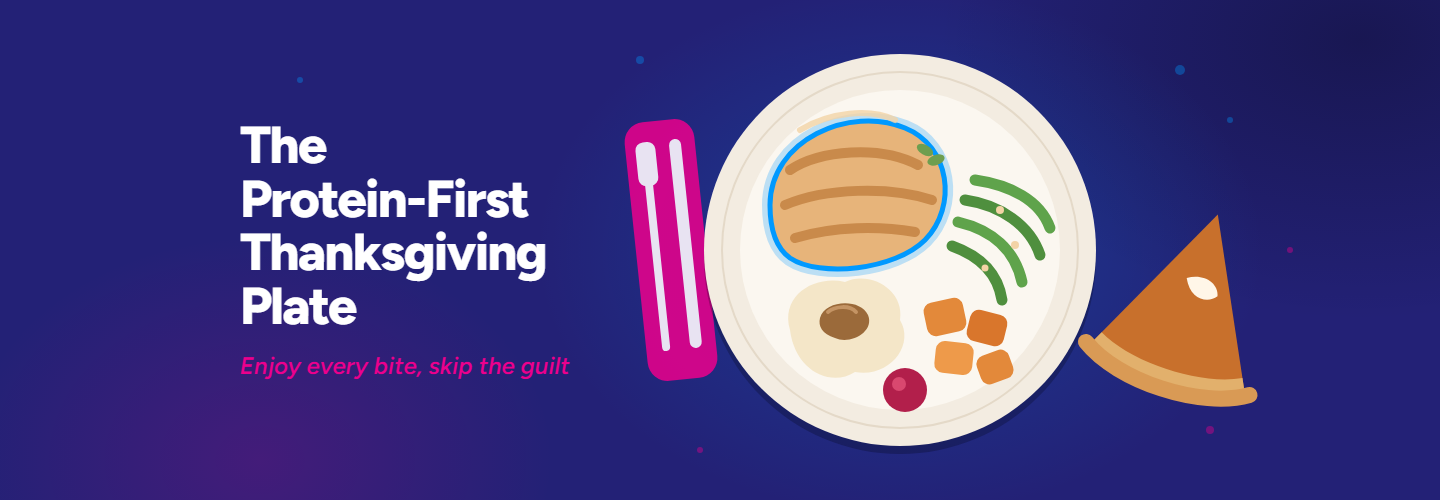
The anchor for that routine is protein. When most of your meals start with a solid serving of protein, one indulgent dinner barely moves the needle, because the foundation is already there. If you want the full approach to the holiday plate itself, read The Protein-First Thanksgiving Plate: Enjoy Every Bite, Skip the Guilt.
Want a simple system for hitting your protein through the holidays and beyond? Our free Protein PRO Tips guide gives you easy, practical ways to build protein into real meals on real schedules.
Grab the guide: PittsburghFIT.com/Go
Fasting to "make up" for a holiday meal usually backfires. Long gaps without food tend to increase hunger and cravings later, making it more likely you will overeat by evening. Eating your normal meals, starting with a protein-forward breakfast, is a more comfortable and sustainable way to get back to your routine.
A bigger, saltier, carb-heavier meal means your body temporarily holds more water and still has food moving through it. That is not the same as gaining body fat. The number on the scale usually settles within a few days once you return to your normal eating pattern.
Eggs with toast, Greek yogurt with fruit, overnight protein oats, or a turkey and veggie scramble using leftovers are all great options. Aim for roughly 25 to 30 grams of protein to keep you full through the morning and steady your energy for the rest of the day.
Simply return to your usual routine at the next meal. Eat regular meals with protein, drink water, sleep as well as you can, and move in ways you enjoy. There is no need for a reset, cleanse, or restriction. Consistency over the next week matters far more than any single day.