Next Thursday, a lot of us will sit down to the biggest meal of the year with a quiet voice doing math in the background. What this costs. What it will take to undo it. Whether Friday needs to be a salad day.
We would like to give that voice the week off.
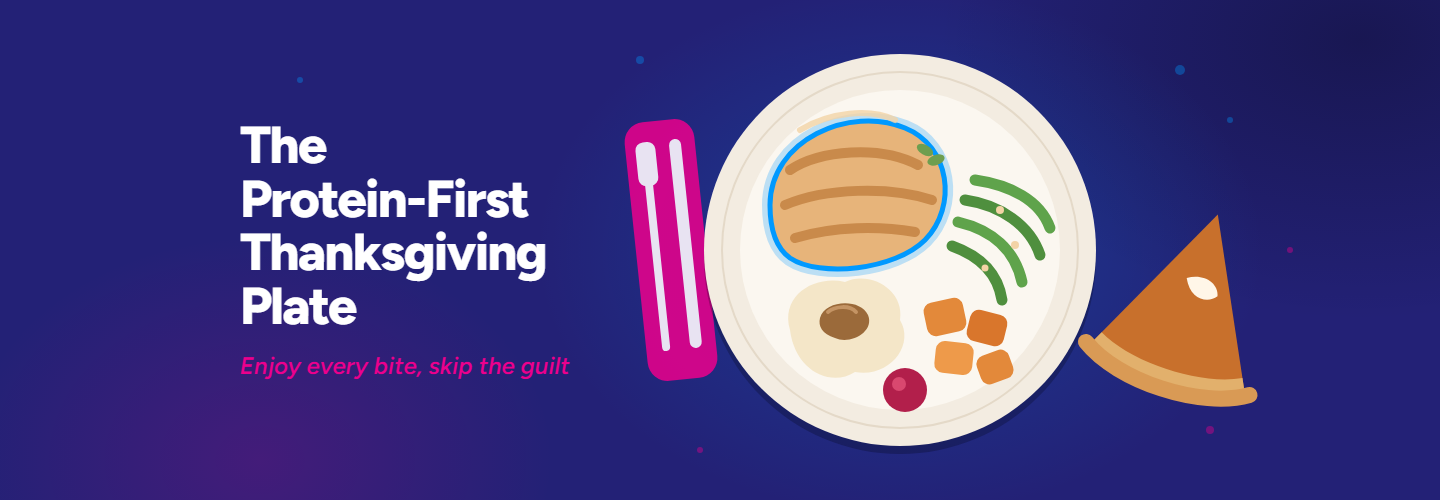
The easiest way to enjoy Thanksgiving dinner without guilt is to start your plate with protein. Fill about a quarter of the plate with turkey (roughly 30 grams of protein), add the sides you genuinely love, and have dessert if you want it. Protein keeps you satisfied, so you can enjoy the whole meal without overdoing it.
Thanksgiving guilt usually comes from the story around the meal, not the meal itself. For years, the messaging has been that holiday food is something you have to earn beforehand or undo afterward. That turns one dinner into a test you are expected to fail.
It is one of the most common holiday patterns our coaching team at Pittsburgh FIT helps people untangle. Someone skips breakfast to "save room," shows up to dinner starving, eats fast, feels uncomfortable, and then restricts the next day to make up for it. Then the restriction backfires by the weekend, and the whole cycle feels like proof that they "can't be trusted" around food.
Here is the truth: one meal has never made or broken anyone's progress. What you do most days matters far more, and most days are not Thanksgiving. Once you stop treating the holiday like a test, it gets a lot easier to just enjoy it.
A protein-first plate starts with turkey (or your protein of choice) before anything else goes on. That one change shapes the rest of the plate naturally, without any rules about what you are "allowed" to eat.
Here is the simple version we share with clients:
1. Start with protein. Put a palm or two of turkey on your plate first. That is roughly 4 ounces, or about 30 grams of protein. It does not need to dominate the plate. It just needs to be there first.
2. Add the sides you actually love. Not the ones you think you should eat, and not the ones you take out of politeness. If your aunt's stuffing is the highlight of your year, get the stuffing. If the green bean casserole does nothing for you, skip it without a second thought.
3. Add something with color. Roasted vegetables, a salad, the cranberry sauce. This is not about "balancing out" the meal. Veggies add fiber and volume, which help you feel good after eating.
4. Have dessert if you want it. Pie is part of Thanksgiving. Eat a slice you will enjoy, sitting down, without apologizing for it.
That is it. No measuring, no tracking app at the table, no mental math. The protein does the quiet work of keeping you satisfied so the rest of the plate can just be enjoyable.
A typical 4-ounce serving of roast turkey has about 30 grams of protein, which is a great target for one meal. Most of the traditional sides (stuffing, potatoes, rolls, pie) are lower in protein, so turkey is doing most of the work on a classic holiday plate.
If you want a deeper look at daily targets, our post How Much Protein Do You Actually Need? A Plain-English Answer walks through the numbers. For most busy adults, the general idea is to spread protein across the day instead of saving it all for dinner, and that matters on Thanksgiving too.
Not a turkey person, or hosting someone who does not eat meat? You still have plenty of options. Ham, roast chicken, and salmon all work as the anchor. For a vegetarian plate, try a lentil or white bean dish, a tofu or tempeh main, or a Greek yogurt-based dip on the appetizer table. Many hosts also appreciate a guest who brings a protein-forward side to share.
No. Skipping breakfast to save room usually leads to arriving at dinner overly hungry, which makes it harder to eat at a comfortable pace and easier to end up uncomfortably full. A normal breakfast with some protein in it sets you up to actually enjoy the meal.
Think eggs and toast, Greek yogurt with fruit, or one of our make-ahead favorites like the Overnight Kefir Protein Oats: 30g of Protein Before 9am. If dinner is late in the afternoon, a small protein-forward lunch or snack helps too.
This is especially helpful if you are spending the day cooking. It is surprisingly easy to "taste" your way through the afternoon and still feel starving by the time the meal is served. Eating real meals earlier in the day keeps your energy steady while you are working in the kitchen.
Treat them like normal parts of a holiday, not problems to manage. Have the dessert you are most excited about, slow down enough to taste it, and decide on seconds once you have finished your first plate and given it a few minutes.
A few small habits help without feeling restrictive:
Pause before seconds. Give yourself ten minutes of conversation before going back. If you still want more, go get it. Often you will find you are comfortably full.
Pick your favorite dessert first. If there are four pies, you do not have to sample all four out of obligation. Choose the one you have been looking forward to.
Alternate drinks with water. If you are having wine or a cocktail, a glass of water in between keeps you hydrated and helps you feel better the next morning.
None of this is about restriction. It is about enjoying the food you love most and paying attention to how you feel.
Eat like it is a normal Friday. There is no need to skip meals, cut back hard, or plan a punishment workout. Start the day with a protein-forward breakfast, eat your regular meals, and move if it feels good, not because you think you owe it.
We wrote a whole post on this, because it is the question we hear most this week: Should You Eat Less the Day After Thanksgiving? The short answer is no, and the longer answer can change how you approach every holiday between now and New Year's.
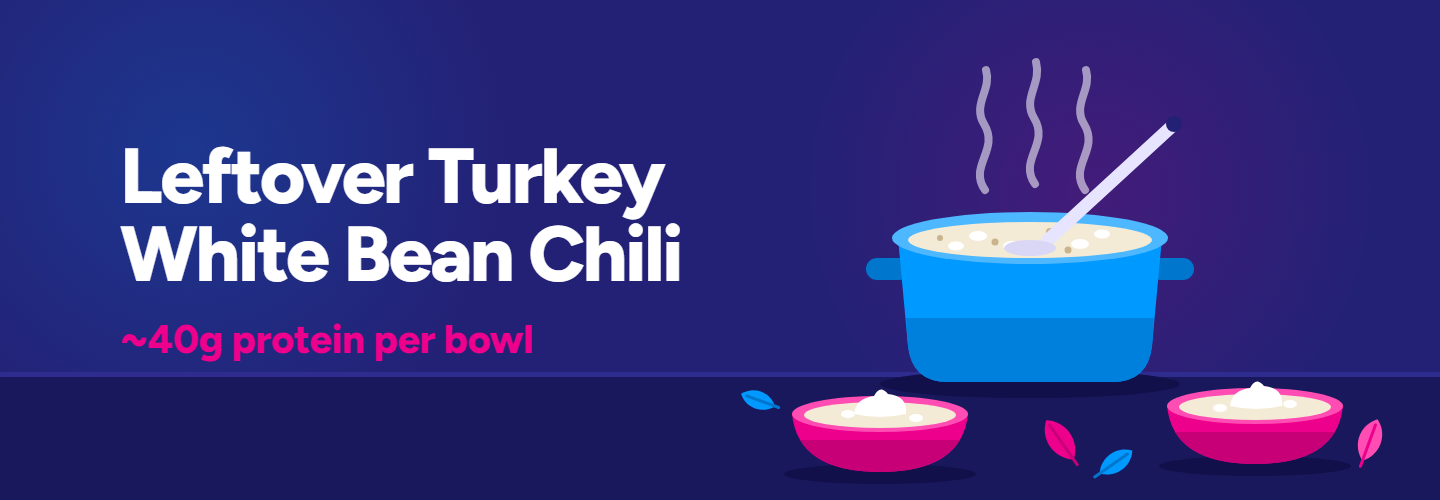
And if you have leftovers, put them to work. Our Leftover Turkey White Bean Chili turns extra turkey into roughly 40 grams of protein per bowl.
At Pittsburgh FIT, our coaching team, led by founder and lead coach Jodi Butler, approaches holiday eating the same way we approach nutrition all year: build simple habits that fit real life, and drop the guilt. The goal is not a perfect holiday. It is a plan you can come back to the next day without starting over.
That matters because the holidays are not one meal. Between Thanksgiving and New Year's, our East End Pittsburgh clients are juggling office parties, travel, family dinners, and a lot of short nights. If every one of those events turns into a cycle of overdoing it and making up for it, the whole season feels like a fight.
A protein-first habit gives you something steady to come back to, whether you are at a family table in Point Breeze, a work party downtown, or your in-laws' kitchen. It is one simple, repeatable move instead of a list of rules.
Want the simple version you can use all season long? Our free Protein PRO Tips guide shows you how to hit your protein at real meals, holidays and busy weeks included.
Grab the guide: PittsburghFIT.com/Go
Yes. One meal does not decide your progress, and enjoying a holiday is part of a healthy relationship with food. Starting your plate with protein simply helps you feel satisfied, so you can enjoy your favorite dishes and dessert without overdoing it or feeling like you need to make up for it the next day.
About 4 ounces of roast turkey, roughly a palm or two, gives you around 30 grams of protein, which is a solid amount for one meal. You can have more if you are hungry. The point is to make protein the first thing on your plate, not to measure it precisely at the table.
You can still build a protein-first plate. Lentil or white bean dishes, tofu or tempeh, eggs, and Greek yogurt-based dips all add meaningful protein. If you are a guest, bringing a protein-forward vegetarian side is a thoughtful way to make sure there is something filling on the table for you and others.
Only if you want to. A morning workout can feel great and help you start the day with energy, but it is not a requirement for "earning" dinner. Pittsburgh FIT runs an 8:00 AM class with Coach Al on Thanksgiving Day for anyone who enjoys moving before the meal.
No. Progress comes from what you do consistently over weeks and months. Any change on the scale the morning after a big meal is mostly water and food still being digested, and it settles once you return to normal eating. Going back to your usual routine is the best next step.