Maybe it's the back that flares up after a long drive, or the shoulder you've been babying for years. You want to get stronger. You're just not sure a trainer will know what to do with you, and you're a little worried about making things worse.
Yes, a good personal trainer can help you train with an old injury, as long as it's been evaluated by a clinician and isn't new or getting worse. The right coach asks about your history first, builds around what you can do, respects any guidance from your doctor or PT, and progresses you slowly.
Here's what that looks like in practice at Pittsburgh FIT, and what to expect if you come in with an injury history.
Tell them everything you'd tell a doctor, in plain language. What happened, roughly when, what treatment you had, and what still bothers you today.
The most useful details are the specific ones. Which movements or positions aggravate it. What your physical therapist or surgeon told you to avoid, if anything. Whether it flares up with sitting, sleeping, or certain activities. If you have discharge notes or an exercise sheet from PT, bring them along. A good coach will be glad to see them.
Don't downplay it to seem tougher, and don't worry that it'll disqualify you. Your history shapes the plan. The more your coach knows, the better your program will fit.
A personal trainer can help you build strength, control, and confidence around an old injury. They can't diagnose it, treat it, or replace your doctor or physical therapist.
On the can side, a skilled coach watches how you move, chooses exercises that work with your body instead of against it, adjusts the load, and coaches your technique so each rep does its job. Over weeks and months, they progress you so the area that used to hold you back gets stronger along with everything else.
On the can't side, if something new comes up, or an old ache starts behaving differently, a good coach will tell you so and point you back to your doctor or PT. That's part of the job.
Done thoughtfully, training is much more likely to help than hurt. The risk usually comes from doing too much too soon, using poor technique, or pushing through pain that should have been a stop sign.
That's why our coaches start with what you can do comfortably, care more about movement quality than the number on the dumbbell, and progress in small steps. Mild awareness that settles down by the next day is usually fine. Sharp pain, swelling, numbness, or pain that keeps building is a signal to stop and check in with a clinician.
If you want the bigger picture on that transition, we cover it in Physical Therapy Is Over. Now What?
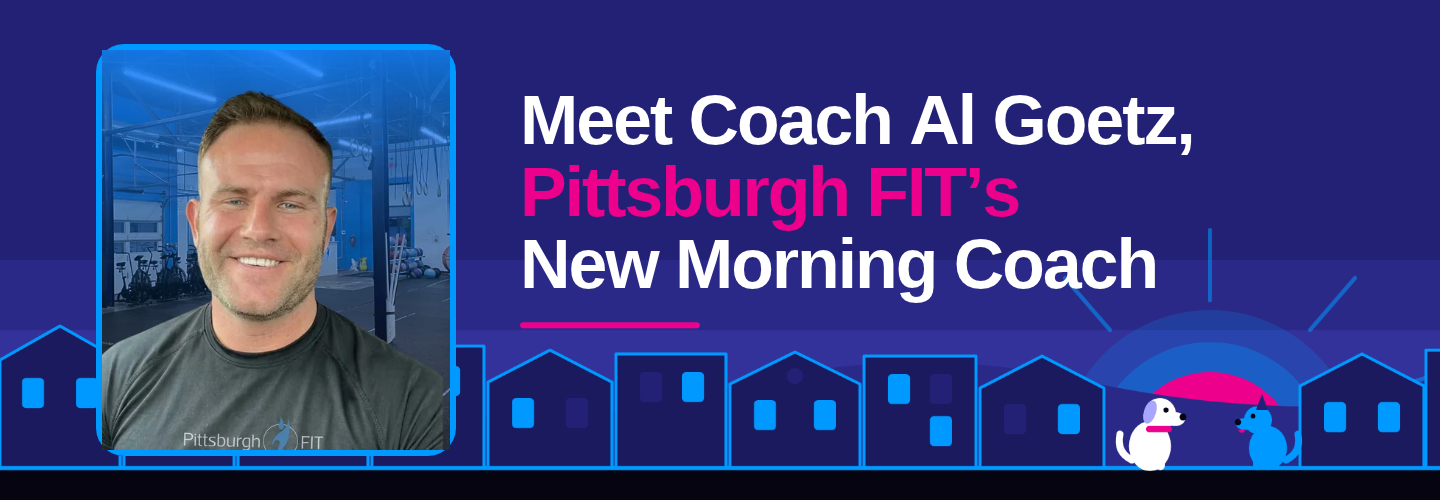
Yes. Coach Al Goetz, who recently joined our team, has spent years bridging the gap between physical therapy and real, confident training. The people he loves working with most are the ones who've been told to take it easy for a little too long: bad backs, cranky shoulders, post-surgery knees, and the aches you've learned to live with.
Al brings more than ten years of experience. He's kind, easy to talk to, and deeply committed to quality movement, because he wants every rep to serve you well for years, not just today. He coaches weekday mornings from 6 AM to 1 PM. You can read more about him in Meet Coach Al Goetz, Pittsburgh FIT's New Morning Coach.
A free intro at Pittsburgh FIT is a conversation, not a workout. You'll sit down with a coach at 210 Thomas St, talk through your goals, your history, and your schedule, and leave with a specific recommendation. No exercise, no weigh-in.
Bring up your injury early, because it directly shapes what the coach recommends. If you'd like to work with Al, just say so when you book. Here's a full walkthrough of what actually happens at a free intro.
Sometimes. Under IRS rules, personal training and gym memberships generally aren't eligible on their own. They can qualify when they're part of treating a diagnosed medical condition and you have a Letter of Medical Necessity.
Pittsburgh FIT works with Truemed, which helps people find out whether they qualify for that letter. Ask us about it at your intro, and check with your HSA or FSA administrator about your specific plan.
Want to work with Al?
Al has spots open for new clients right now, especially on Monday, Wednesday, and Friday mornings. Book a free intro and let us know you'd like to work with Al.
PittsburghFIT.com/Go
Should I see a physical therapist or a personal trainer for an old injury?
If the injury is new, getting worse, or hasn't been evaluated, start with a doctor or physical therapist. If it's been checked out and you've been cleared, or you've finished PT and want to keep building, a personal trainer who works with injury histories is often the right next step.
Do I need a doctor's clearance to work with a personal trainer?
If you're recovering from surgery, a recent injury, or have restrictions from a clinician, get clearance and share those restrictions with your coach. For an old, familiar ache that's been evaluated, it's still smart to mention your history so your coach can plan around it from the first session.
What if my pain flares up during a session?
Tell your coach right away. A good coach will stop, modify the exercise, or switch to something else. If the pain is sharp, comes with swelling or numbness, or doesn't settle down, they'll recommend checking in with your doctor or physical therapist before continuing.
Is semi-private or group training okay with an injury?
Sometimes, depending on the injury and how much individual attention you need. Many people start with one-on-one personal training to build a foundation, then move into semi-private or group training once they're confident. A coach can recommend the right fit during your free intro.